Introduction: The Magic of the 3D Pen and Choosing the Right "Fuel"
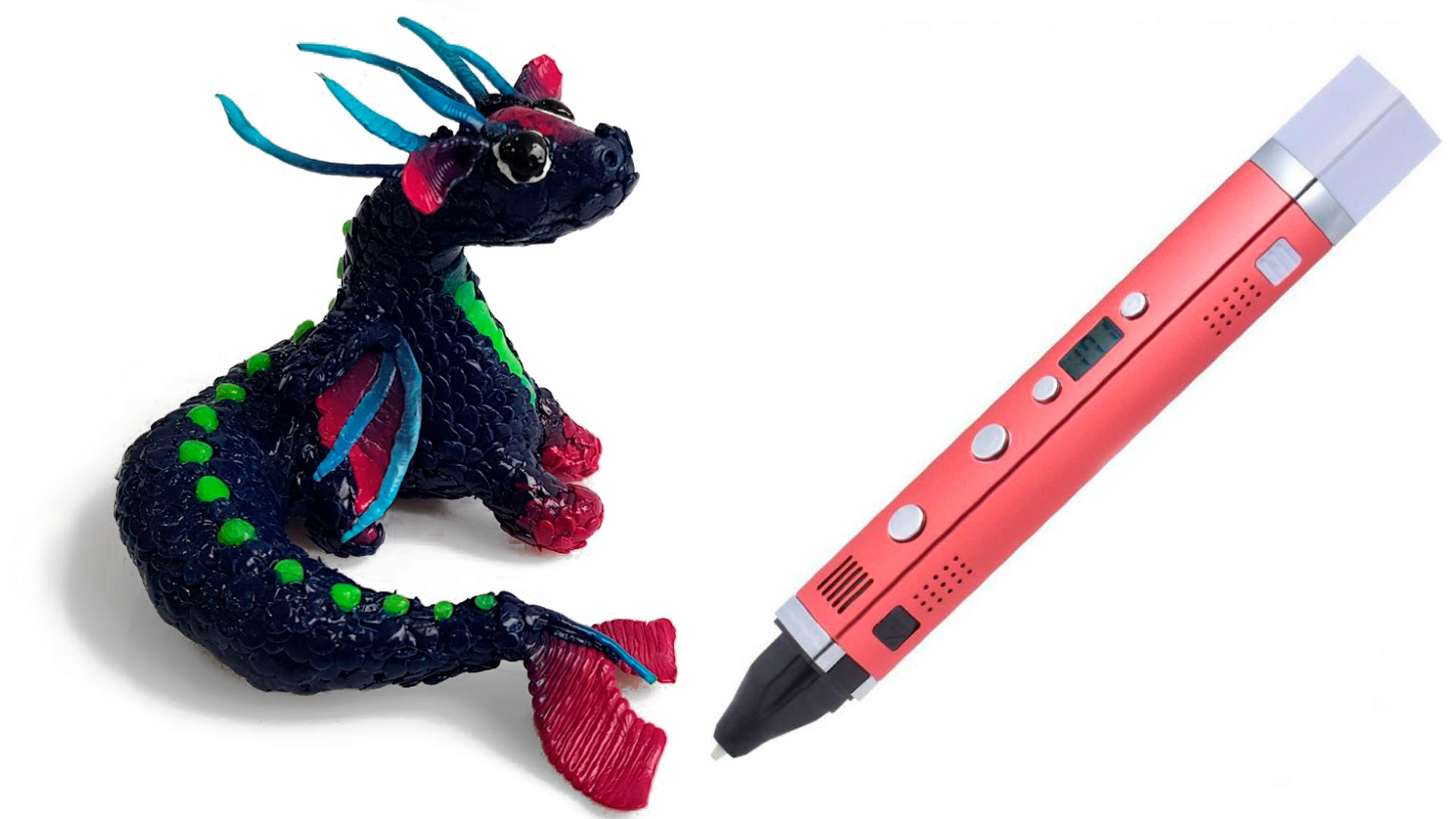
3D pens have rapidly gained popularity, becoming a fascinating tool for both children and adults. They allow you to literally draw in the air, bringing the boldest design ideas to life and developing spatial imagination. From creating simple figures to complex art objects – the possibilities seem endless. However, like any tool, a 3D pen needs consumables – special filament that melts and solidifies, forming three-dimensional lines.
Several types of filament are available on the market, but two giants are the most common: PLA (Polylactic Acid) and ABS (Acrylonitrile Butadiene Styrene). PCL (Polycaprolactone) is often added to the mix, especially popular for children's pen models. Choosing the right filament is not just a matter of color or price. The properties of the future object, ease of use, and, most importantly, user safety depend on it. Which filament will become your ideal partner in the world of 3D creativity? Let's delve into the specifics of each.

PLA Filament: The Eco-Friendly Choice for Creativity
PLA (Polylactic Acid) is a biodegradable thermoplastic made from renewable plant resources such as corn starch or sugarcane. This eco-friendliness makes it an attractive choice for many users, especially those concerned about the environment and for use by children.
PLA Properties and Characteristics
- Eco-friendliness: Made from plant-based raw materials, biodegradable (under industrial composting conditions).
- Smell during printing: Emits a faint, slightly sweet smell reminiscent of baked goods when heated. Considered practically harmless and non-toxic, but ventilation is still recommended.
- Melting temperature: Relatively low (usually 180-220°C), making it compatible with most 3D pens, including basic models. The low temperature also reduces the risk of burns.
- Strength and flexibility: PLA is quite hard and rigid, holding its shape well, but it is more brittle compared to ABS. It can break under strong bending.
- Adhesion (stickiness): Has good adhesion to various surfaces (paper, cardboard, fabric) and to itself, which facilitates the creation of multi-layered structures.
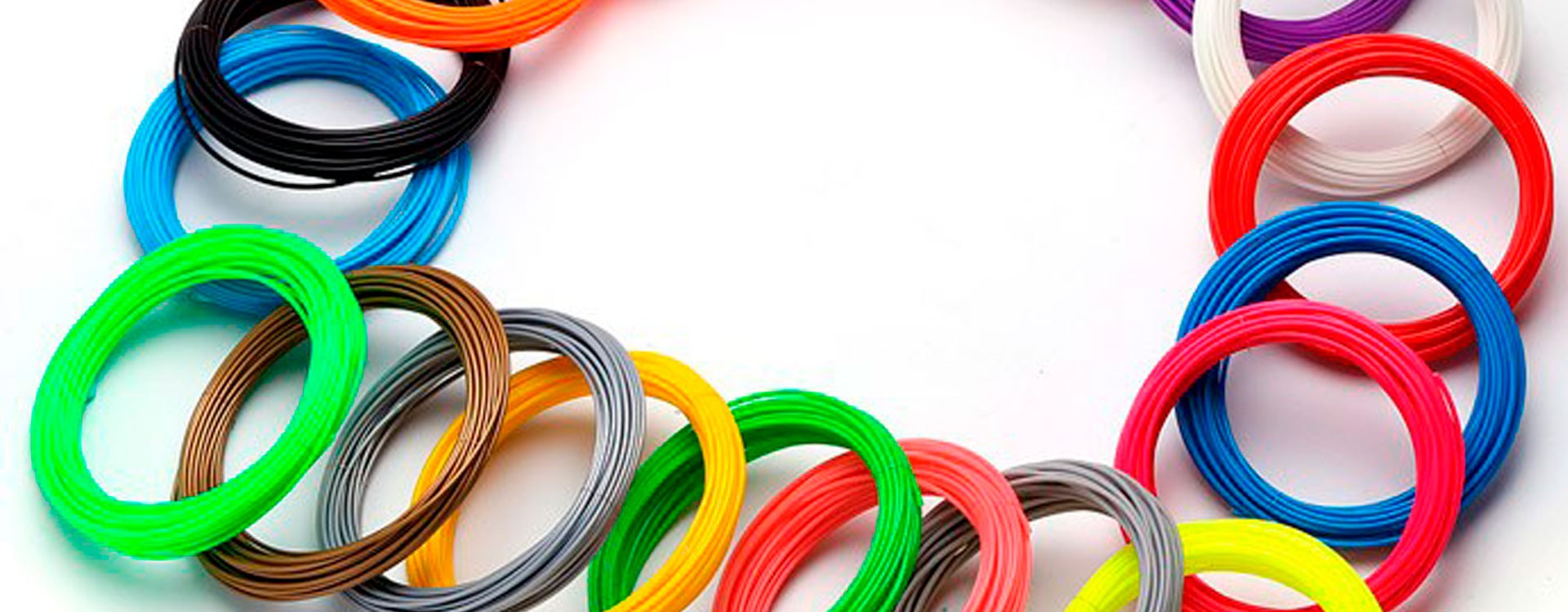
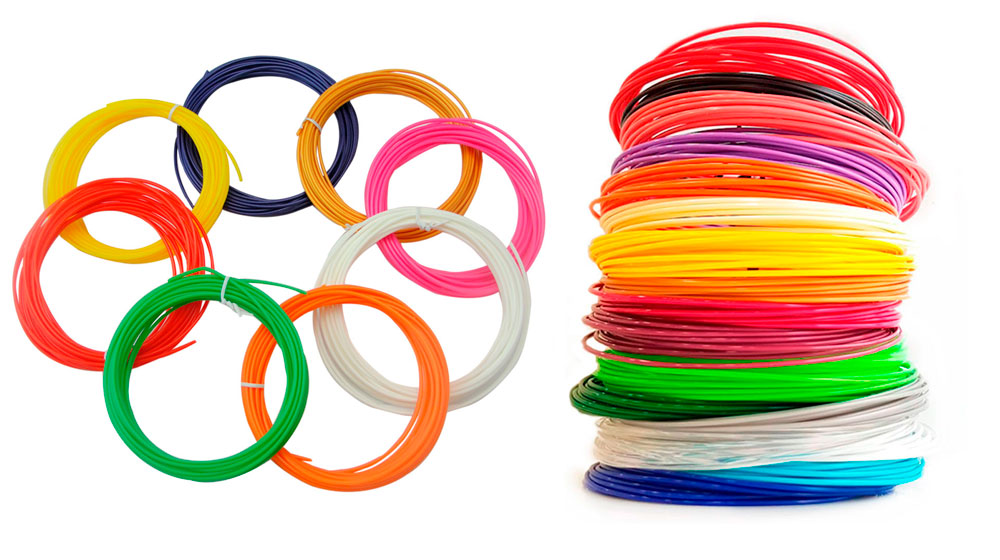
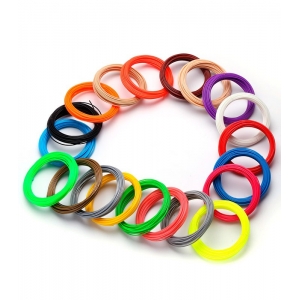
- Appearance: Available in a huge variety of colors, including transparent, translucent, "metallic," "silk," fluorescent, and even glow-in-the-dark options. The surface is usually glossy or semi-glossy.
- Shrinkage and warping: Has low shrinkage upon cooling, so it is less prone to warping, which is important for the accuracy of created objects.
- Moisture absorption: PLA is hygroscopic, meaning it absorbs moisture from the air. This can lead to deterioration in print quality (bubbles, brittleness). Requires storage in a dry place.
- Post-processing: More difficult to mechanically process (sand) than ABS. Not soluble in acetone.
Pros and Cons of PLA for 3D Pens
Pros:
- Eco-friendly and biodegradable.
- Faint, pleasant smell during operation.
- Low melting temperature (safer, easier to work with).
- Good adhesion to surfaces and layers.
- Minimal shrinkage and warping.
- Widest selection of colors and effects.
- Ideal for beginners and children (with safety precautions).
Cons:
- More brittle compared to ABS.
- Lower heat resistance of finished products (can deform in the sun or hot water).
- Hygroscopic (requires proper storage).
- More difficult to post-process.
ABS Filament: Strength and Durability
ABS (Acrylonitrile Butadiene Styrene) is an impact-resistant thermoplastic derived from petroleum products. It is one of the most common plastics in industry, used for appliance housings, car parts, and the famous LEGO bricks. Its popularity stems from its high strength and durability.
ABS Properties and Characteristics
- Origin: Petroleum-based, not biodegradable.
- Smell during printing: Emits a characteristic, rather pungent smell of burnt plastic when heated. Contains volatile organic compounds (VOCs), so working with ABS requires mandatory and good room ventilation.
- Melting temperature: Higher than PLA (usually 220-250°C). Requires a 3D pen capable of maintaining this temperature. Increases the risk of burns if handled carelessly.
- Strength and flexibility: Very strong, impact-resistant, and wear-resistant material. Possesses some flexibility; tends to deform rather than break when bent.
- Adhesion (stickiness): Less sticky than PLA. May adhere less well to some surfaces, but its adhesion is usually sufficient for drawing on paper or creating 3D structures.
- Appearance: Usually available in a wide palette of opaque colors. The surface of the solidified plastic is glossy.
- Shrinkage and warping: Has higher shrinkage upon cooling, which can lead to warping and layer separation, especially when creating large or tall objects with a pen.
- Moisture absorption: Less hygroscopic than PLA, but storage in a dry place is still recommended.
- Post-processing: Excellent for mechanical processing (sanding, drilling). Can be smoothed with acetone vapor (in an "acetone bath") to achieve a perfectly smooth surface. Warning: working with acetone requires strict adherence to safety measures!
Pros and Cons of ABS for 3D Pens
Pros:
- High strength, impact resistance, and wear resistance.
- Some flexibility, resistance to breaking.
- Higher heat resistance of finished products.
- Excellent processability (sanding, acetone bath).
Cons:
- Pungent, unpleasant smell during operation, emission of VOCs (requires good ventilation).
- Higher melting temperature (requires a more "powerful" pen, higher risk of burns).
- Prone to shrinkage and warping.
- Lower adhesion compared to PLA.
- Not biodegradable.
- Not recommended for use by young children or in poorly ventilated areas.

PCL Filament: Safety First (Especially for Kids)
PCL (Polycaprolactone) is another biodegradable polyester gaining popularity as a material for 3D pens, especially those designed for children. Its key advantage is its very low melting temperature.
- Safety: PCL's main asset is its low melting temperature (around 60-100°C). This significantly reduces the risk of burns, making it the safest option for young users. The pen's nozzle remains relatively cool.
- Smell: Has virtually no smell when melted.
- Properties: PCL is very pliable when molten. After solidifying, it remains quite flexible and soft compared to PLA and ABS. It can even be softened in hot water (around 60°C) and remodeled by hand.
- Adhesion: Sticks well to various surfaces.
- Appearance: Available in various colors, but the palette is usually more modest than PLA's. The surface is slightly waxy.
- Application: Ideal for children's crafts, creating flexible objects, rapid prototyping, and sculpting.
- Drawbacks: Low strength and heat resistance. Finished products deform easily even at room temperature if force is applied. Not suitable for creating rigid or functional parts.
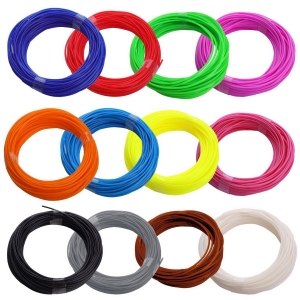
PCL filament is an excellent choice for introducing a child to the world of 3D drawing due to its safety. You can find sets of this filament in our store, for example, the Low-Temperature PCL Plastic for 3D Pen: Set of 12 Colors.
Comparison Chart: PLA vs ABS vs PCL for 3D Pens
To clearly illustrate the differences, let's summarize the main characteristics in a table:
| Characteristic | PLA (Polylactic Acid) | ABS (Acrylonitrile Butadiene Styrene) | PCL (Polycaprolactone) |
|---|---|---|---|
| Origin | Plant-based (corn, sugarcane) | Petroleum-based | Synthetic Polyester |
| Biodegradability | Yes (industrial conditions) | No | Yes |
| Melting Temp (°C) | ~180-220 | ~220-250 | ~60-100 |
| Smell during use | Faint, sweetish | Pungent, plastic (VOCs) | Virtually none |
| Ventilation Required | Recommended | Mandatory, good | Minimal |
| Strength | Medium (rigid but brittle) | High (impact-resistant) | Low (soft) |
| Flexibility | Low | Medium | High (pliable) |
| Product Heat Resistance | Low | Medium | Very Low |
| Adhesion | High | Medium | High |
| Shrinkage | Low | High | Low |
| Post-processing | Difficult | Easy (sanding, acetone) | Easy (can be softened) |
| Safety (Burns) | Medium Risk | High Risk | Low Risk |
| Safety (Inhalation) | Relatively safe | Requires caution (VOCs) | Safest |
| Ideal For: | General creativity, decor, beginners, kids (supervised) | Strong models, functional parts, experienced users | Kids, safe crafting, flexible models |
How to Choose Filament for Your 3D Pen: Key Factors
Now, knowing the characteristics of each material, you can make an informed choice. Here are a few key points to consider:
- Who will use the pen? If the pen is for a child, safety is paramount. PCL is the safest choice due to its low melting temperature. PLA is an acceptable option with adult supervision and good ventilation. ABS is not recommended for children due to high temperatures and harmful fumes.
- What do you plan to create? For decorative elements, artistic models where color and detail are important, PLA with its vast palette is excellent. If strength and durability are needed (e.g., for repairing plastic items, creating simple functional parts), ABS is better. For flexible crafts or safe children's creativity – PCL.
- What kind of 3D pen do you have? Ensure your pen supports the temperature range required for the chosen filament. Most modern pens work with both PLA and ABS, but the simplest or children's models might only be designed for PLA or PCL.
- Working conditions: Good ventilation is a critical factor when choosing ABS. If you work in a small, poorly ventilated room, it's better to opt for PLA or PCL.
- Is post-processing required? If you plan to sand, paint, or smooth the surface with acetone, ABS will be the best choice.
- Your experience: Beginners usually find it easier to start with PLA due to its predictability, low shrinkage, and good adhesion. ABS requires more control over the process.
Safety When Using a 3D Pen: Don't Forget the Basics
Regardless of the chosen filament, using a 3D pen requires adherence to safety precautions:
- Ventilation: Always work in a well-ventilated area. This is especially important when using ABS, but fresh air won't hurt for PLA/PCL either.
- Burns: The nozzle of a 3D pen (especially one working with PLA and ABS) gets very hot. Never touch it during or immediately after use. Do not leave a switched-on pen unattended, especially if children are nearby.
- Surface protection: Place a special mat, a sheet of thick cardboard, or glass under your work area to avoid damaging the table with hot plastic or the nozzle.
- Storage: Store filament in a dry place, preferably in an airtight bag with silica gel, to prevent moisture absorption.
- Child supervision: If a child is using the pen, ensure adult supervision. Explain the safety rules.
You can read more about safety in 3D printing (many principles also apply to 3D pens) in our article: Is 3D Printing Toxic? Everything You Need to Know to Stay Safe!
Important: Even "safe" plastics like PLA and PCL can release ultrafine particles (UFPs) when heated, which could potentially affect health with prolonged inhalation in high concentrations. Therefore, the rule of good ventilation is always relevant!
Tips for Using and Storing 3D Pen Filament
- Proper loading/unloading: Follow the instructions for your 3D pen. Usually, you need to cut the filament tip cleanly before loading. When unloading, ensure the filament is completely removed to avoid clogging.
- Temperature settings: Use the temperature recommended by the filament manufacturer and compatible with your pen. Incorrect temperature can lead to poor extrusion or overheating.
- Feed speed: Adjust the filament feed speed depending on the task. Slow speed is suitable for fine details, fast speed – for filling large volumes.
- Storage: As mentioned, dryness is key to quality "printing." Use airtight containers or zip-lock bags with silica gel packets. If the filament gets damp, you can try drying it (e.g., in a special filament dryer or an oven at a very low temperature – but be careful!).
- Do not mix filament types: Do not attempt to load PLA immediately after ABS (or vice versa) without completely cleaning the pen, as different melting temperatures can cause clogs.
Where to Buy Quality 3D Pen Filament?
The quality of the filament directly affects the result of your work and the longevity of your 3D pen. Cheap, unbranded filament may have an uneven diameter, impurities, melt poorly, break easily, and release more harmful substances. Therefore, it's better to choose products from trusted manufacturers.
In the 3D4U online store, you will find a wide range of quality filament for 3D pens of various types (including safe PCL) and colors. We offer both individual coils and convenient sets that allow you to immediately get a rich palette for creativity. All our filament undergoes quality control and meets the declared specifications.
We also have a large selection of filament for 3D printers if you decide to move to the next level of 3D printing.
Conclusion: Experiment and Create!
Choosing between PLA, ABS, and PCL filament for a 3D pen depends on your goals, working conditions, and personal preferences.
- PLA – is a versatile, eco-friendly, and easy-to-use option, ideal for most creative tasks and beginners.
- ABS – is the choice for those who need increased strength and post-processing capabilities but requires strict adherence to safety measures and good ventilation.
- PCL – is the safest option, especially for children, due to its very low melting temperature, but is mainly suitable for non-critical crafts.
There is no single "right" answer – the best filament is the one that suits you and your project. Don't be afraid to try different types and colors, find your favorite materials and techniques. The main thing is to follow safety rules and enjoy the process of creating unique 3D masterpieces with your 3D pen!