Ваш кошик
Ви нічого не додали до кошика
Перейти до категорії:

Джерела сучасного 3D друку сягають кінця 1980-х років. Спочатку ці технології називалися "швидке прототипування" (Rapid Prototyping, RP), оскільки вони були розроблені для швидкого та економічного створення прототипів у промисловості.
Цікаво, що перша заявка на патент у галузі швидкого прототипування була подана доктором Кодамою в Японії у травні 1980 року. Однак через бюрократичні перепони повна специфікація патенту не була подана вчасно, що особливо іронічно, враховуючи, що доктор Кодама був патентним повіреним.
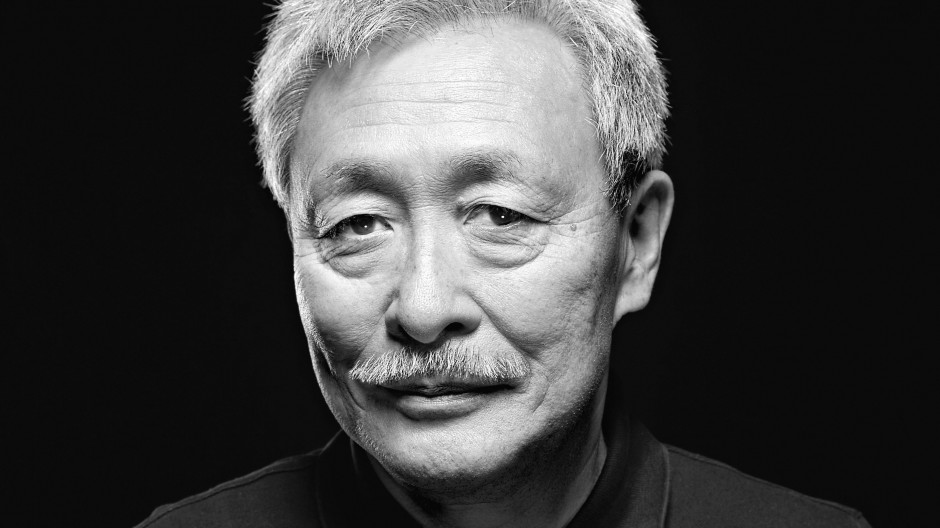
Hideo Kodama (Хідео Кодама)
Офіційний початок ери 3D друку датується 1986 роком, коли був виданий перший патент на апарат стереолітографії (SLA). Цей патент належав Чарльзу (Чаку) Халлу, який винайшов SLA машину в 1983 році. Халл став співзасновником корпорації 3D Systems – однієї з найбільших компаній у секторі 3D друку на сьогоднішній день.
У 1987 році Карл Декард з Техаського університету подав заявку на патент для технології вибіркового лазерного спікання (SLS). Цей патент був виданий у 1989 році та пізніше ліцензований компанією DTM Inc., яку згодом придбала 3D Systems.
Того ж 1989 року Скотт Крамп, співзасновник компанії Stratasys Inc., подав заявку на патент для технології моделювання методом наплавлення (FDM). Ця технологія досі широко використовується, в тому числі у багатьох домашніх 3D принтерах.
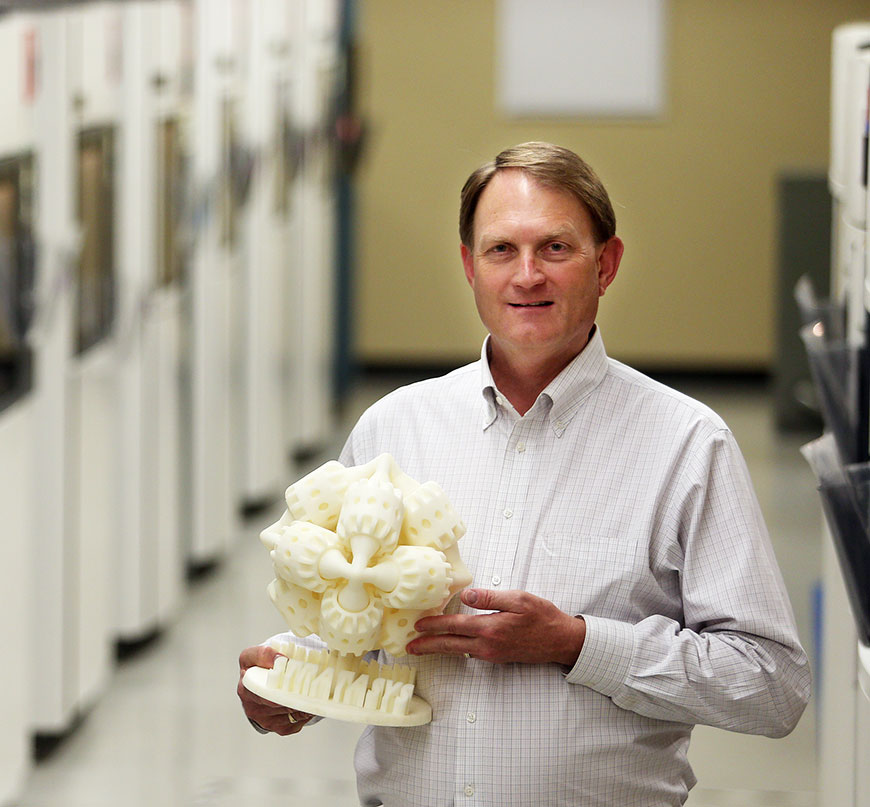
Scott Crump (Скотт Крамп) - співзасновник компанії Stratasys
У 1989 році Ханс Лангер заснував компанію EOS GmbH у Німеччині, яка сьогодні відома своїми промисловими 3D принтерами високої якості. У 1990 році EOS продала свою першу систему прямого лазерного спікання металів (DMLS).
У 1990-х та на початку 2000-х років продовжилося впровадження нових технологій 3D друку, але всі вони як і раніше були зосереджені на промисловому виробництві. З'явилися нові терміни: швидка обробка (Rapid Tooling, RT), швидке лиття (Rapid Casting) та швидке виробництво (Rapid Manufacturing, RM).
У цей період були засновані багато компаній, які згодом стали лідерами індустрії:
У середині 2000-х почали проявлятися ознаки диверсифікації ринку. З одного боку, розвивалися високоякісні промислові системи для виробництва складних деталей. З іншого боку, деякі виробники почали розробляти більш доступні настільні 3D принтери для офісного та домашнього використання.
2007 рік став поворотним моментом в історії 3D друку. Хоча перші доступні принтери від 3D Systems вартістю $10,000 не досягли наміченої мети, у цьому році зародився рух RepRap, який відіграв ключову роль у популяризації технології.
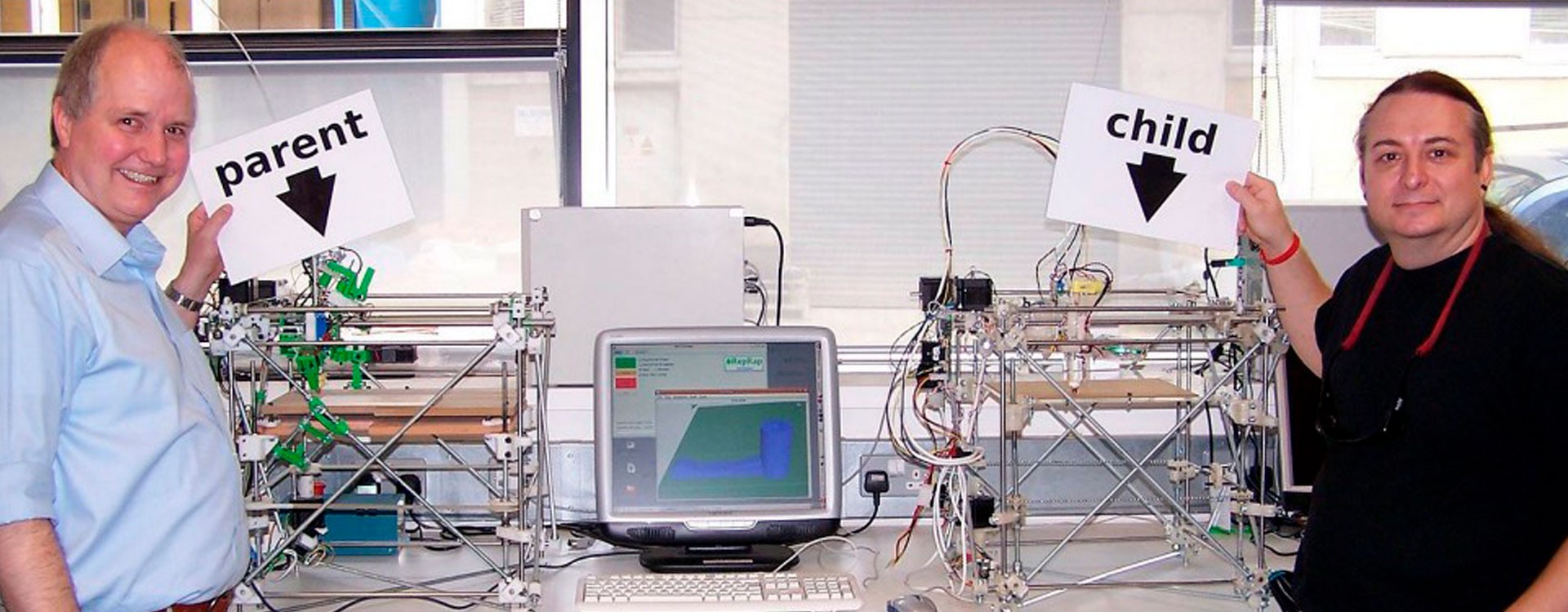
Доктор Едріан Боуер (Adrian Bowyer) розробив концепцію самовідтворюваного 3D принтера з відкритим вихідним кодом ще у 2004 році. У 2007 році ця ідея почала реалізовуватися на практиці.
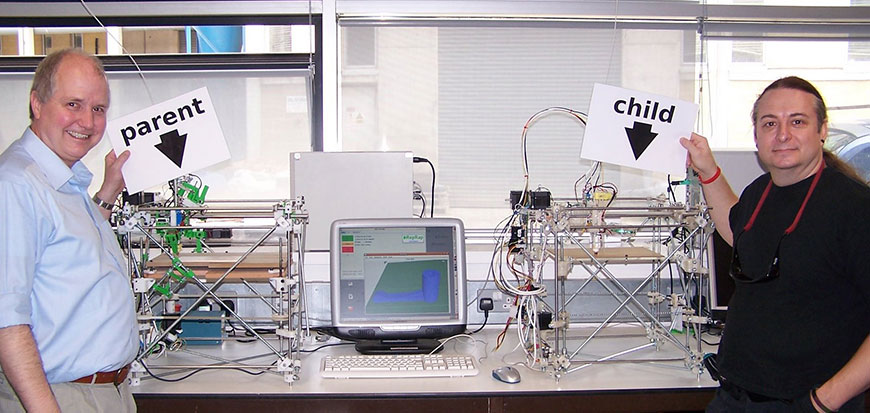
Adriano Bowyer (зліва) та Vik Olliver (справа)
Перший комерційно доступний 3D принтер у розібраному вигляді на основі концепції RepRap з'явився у продажу в січні 2009 року. Це був BfB RapMan 3D принтер. Незабаром після цього була заснована компанія MakerBot Industries, яка відіграла важливу роль у популяризації домашнього 3D друку.
2012 рік ознаменувався появою альтернативних технологій друку на ринку доступних принтерів. Проєкти B9Creator (технологія DLP) та Form 1 (SLA) були успішно профінансовані на Kickstarter.
У наступні роки ринок 3D друку продовжував зростати та консолідуватися. Однією з найпомітніших подій стало придбання MakerBot компанією Stratasys у 2013 році.
Історія 3D друку налічує вже кілька десятиліть, і ця технологія продовжує розвиватися з кожним днем. Від промислових застосувань до домашнього використання, 3D друк демонструє величезний потенціал для майбутнього виробництва та споживання.
Сьогодні 3D друк міцно зайняв своє місце у багатьох галузях. Наприклад, наша компанія 3D4U пропонує послуги 3D друку за технологіями FDM/FFF, а також ювелірний друк за технологією DLP з використанням 3D принтера B9Creator.
Продовження серії статей про 3D друк:
 Ліцензії 3D-моделей (Creative Commons та інші): Що можна і не можна друкувати/продавати?
 Скільки насправді коштує 3D-друк: аналіз усіх витрат
 SILK пластик для 3D-друку: створення ефектних моделей
 Creality K1 Max проти Bambu P1S: Битва швидкісних 3D-принтерів
 Формати файлів для 3D друку: повне керівництво