Ваш кошик
Ви нічого не додали до кошика
Перейти до категорії:

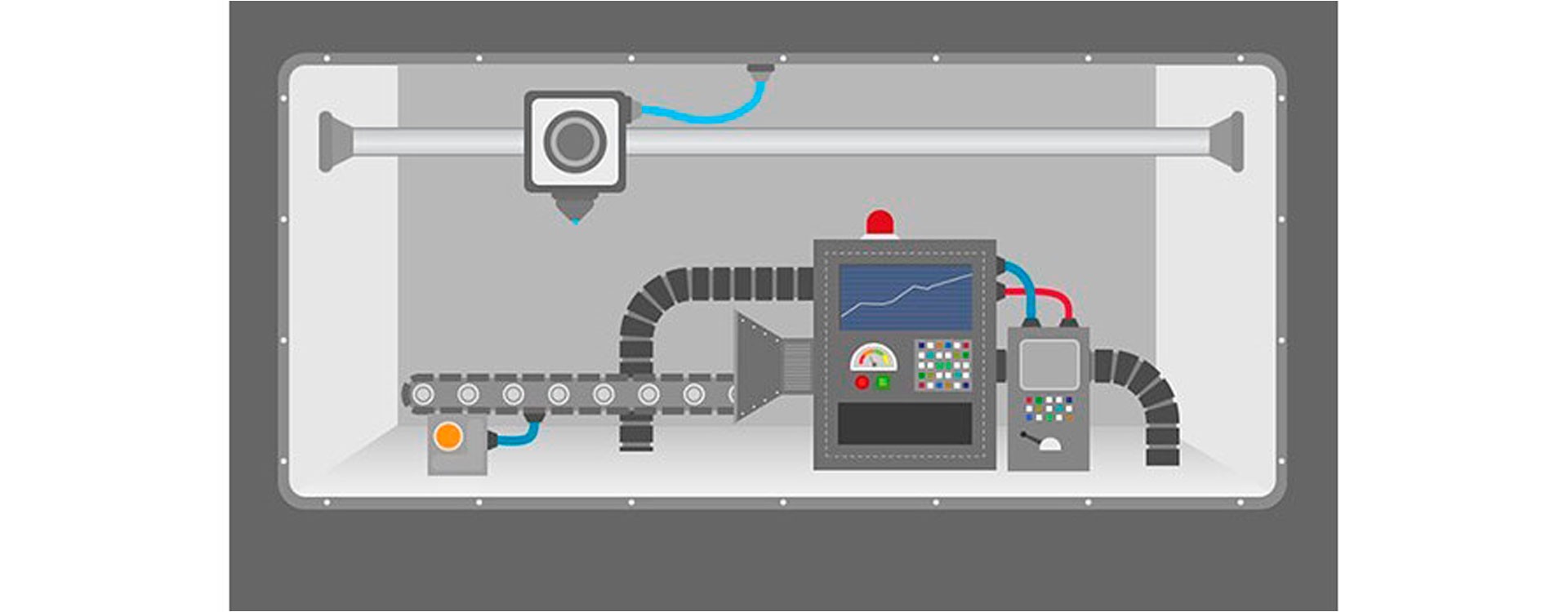
3D друк, також відомий як адитивне виробництво, привертає до себе величезну увагу в останні роки. Ця технологія обіцяє революцію у виробництві та може мати далекосяжні економічні, соціальні й навіть політичні наслідки. Але що ж насправді являє собою 3D друк і який його справжній потенціал?
Термін "3D друк" об'єднує безліч процесів і технологій, які пропонують широкий спектр можливостей для виробництва деталей і виробів з різних матеріалів. Ключовою особливістю всіх цих процесів є адитивний принцип виробництва — поступове нашарування матеріалу для створення об'єкта.
Ідеї застосування 3D друку з'являються практично щодня, і ця технологія все глибше проникає як в промисловість, так і в споживчий сектор. Більшість експертів сходяться на думці, що ми тільки починаємо бачити справжній потенціал 3D друку.
3D друк — це радикально новий метод виробництва, заснований на передовій технології пошарового створення об'єктів. Це кардинально відрізняється від традиційних виробничих процесів.
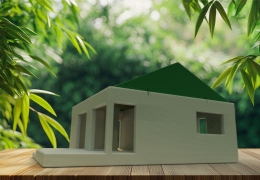
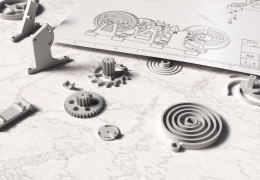
На відміну від субтрактивних методів (таких як фрезерування), де матеріал видаляється із заготівлі, 3D друк створює об'єкти шляхом додавання матеріалу шар за шаром. Це дозволяє створювати складні геометричні форми, які було б важко або неможливо виготовити традиційними методами.
Процес 3D друку можна спрощено порівняти з автоматичним побудовою об'єктів з конструктора Lego - шар за шаром створюється тривимірна модель.
3D друк пропонує ряд істотних переваг порівняно з традиційними методами виробництва:
Ці переваги роблять 3D друк привабливим для широкого спектра галузей — від аерокосмічної промисловості до медицини та освіти.
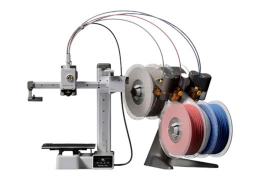
В останні роки 3D друк став набагато більш доступним. Якщо раніше 3D принтери могли дозволити собі тільки великі корпорації, то зараз на ринку з'явилися відносно недорогі настільні моделі для малого бізнесу і навіть домашнього використання.
Наприклад, в нашому магазині 3D принтери доступні за ціною від 550$. Всі представлені моделі мають гарантію від 6 до 12 місяців. При купівлі 3D принтера ви отримуєте безкоштовне вступне навчання з налаштування та експлуатації, а також 5% знижку на витратні матеріали.
Зростальна доступність технології призвела до появи нових матеріалів, областей застосування і супутніх послуг, що ще більше стимулює розвиток і поширення 3D друку.
3D друк — це революційна технологія, яка вже починає змінювати способи проєктування і виробництва виробів. Її потенціал величезний, і ми, ймовірно, тільки починаємо розуміти, як вона може змінити наше життя в майбутньому.
У наступних частинах нашого посібника ми більш детально розглянемо історію 3D друку, різні технології та процеси, використовувані матеріали та області застосування цієї захопливої технології.
Продовження серії статей про 3D друк:
 Ліцензії 3D-моделей (Creative Commons та інші): Що можна і не можна друкувати/продавати?
 Скільки насправді коштує 3D-друк: аналіз усіх витрат
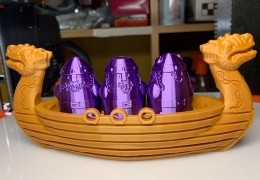
 SILK пластик для 3D-друку: створення ефектних моделей
 Creality K1 Max проти Bambu P1S: Битва швидкісних 3D-принтерів
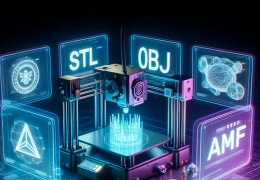 Формати файлів для 3D друку: повне керівництво