Ваш кошик
Ви нічого не додали до кошика
Перейти до категорії:

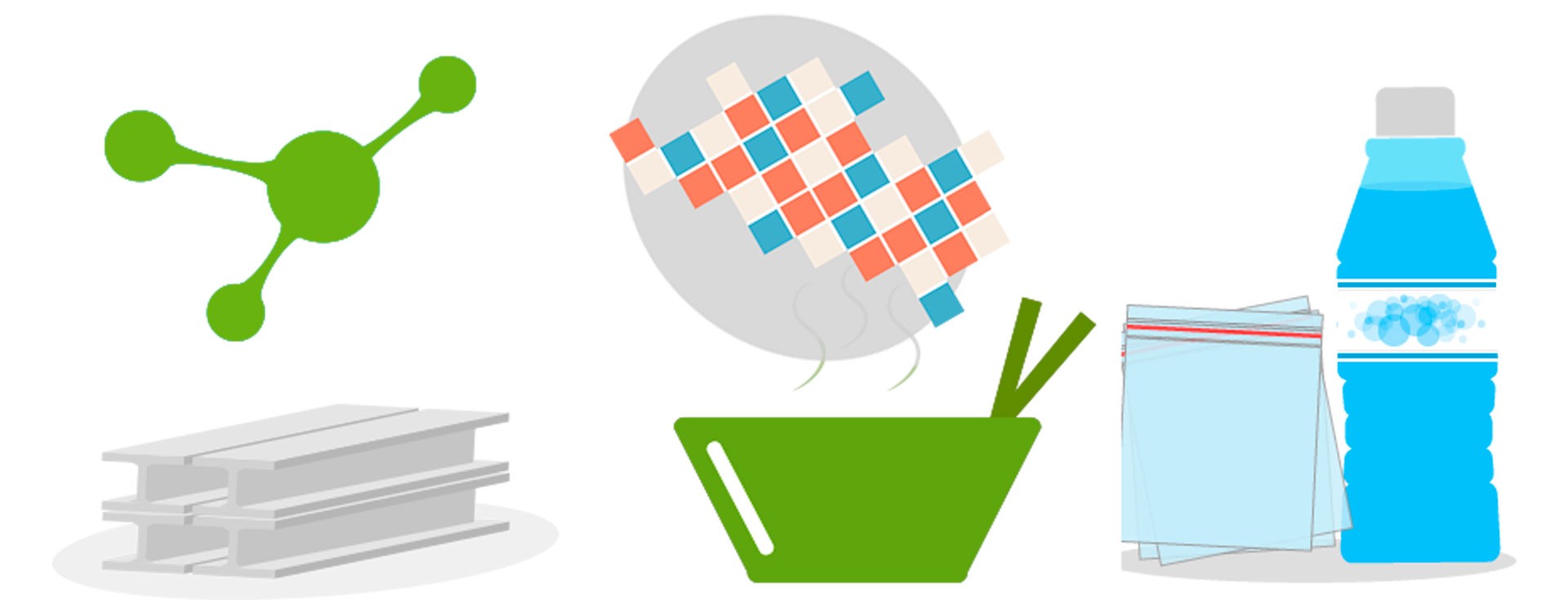
Матеріали для 3D друку пройшли довгий шлях розвитку з моменту появи цієї технології. Сьогодні існує величезний вибір матеріалів, що постачаються в різних формах: порошки, нитки, гранули, смоли та інші. Багато матеріалів розроблені для конкретних областей застосування, маючи властивості, оптимальні для вирішення певних завдань. У цій статті ми розглянемо найбільш популярні види матеріалів для 3D друку, а також деякі інноваційні типи, що заслуговують на особливу увагу.
Нейлон (поліамід) широко використовується у вигляді порошку для технології лазерного спікання (SLS) або у формі нитки для технологій FDM/FFF. Це гнучкий і міцний матеріал, доступний у різних кольорах.
ABS (акрилонітрил-бутадієн-стирол) – популярний пластик для 3D друку, особливо для домашніх та офісних FDM/FFF принтерів. Він міцний, доступний у широкій кольоровій гамі та відносно недорогий.
PLA (полілактид) – біорозкладний термопластик, який набирає популярність завдяки своїм екологічним властивостям. Може використовуватися як у вигляді смоли для DLP/SLA процесів, так і у вигляді ниток для FDM/FFF.
LayWood – композитний матеріал для FDM/FFF принтерів, що поєднує полімер і деревні частинки, дозволяючи створювати об'єкти з текстурою, що нагадує дерево.
Металеві матеріали все частіше використовуються в промисловому 3D друці. Найбільш поширені алюміній, кобальтові сплави та нержавіюча сталь. Також застосовуються дорогоцінні метали (золото, срібло) для ювелірного виробництва та титан для аерокосмічної та медичної галузей.
Керамічні матеріали – відносно нова група в 3D друці. Після друку керамічні вироби проходять традиційні процеси обробки: випал і глазурування.
Звичайний папір формату А4 використовується в технології SDL, розробленій компанією Mcor Technologies. Цей метод забезпечує економічність та екологічність 3D друку.
Ведуться активні дослідження щодо застосування живих тканин у 3D друці для медичних цілей, включаючи створення органів для трансплантації та тканин для заміни частин тіла.
Експериментальний 3D друк харчових продуктів розвивається швидкими темпами. Найбільш поширений друк шоколадом і цукром, але проводяться експерименти і з іншими продуктами, включаючи пасту та м'ясо.
Компанія Stratasys розробила унікальні "цифрові матеріали" для своєї платформи Objet Connex, що дозволяють комбінувати стандартні матеріали в процесі друку для створення нових композитів із заданими властивостями.
Різноманіття матеріалів для 3D друку постійно зростає, відкриваючи нові можливості для різних галузей промисловості та сфер застосування. Від традиційних пластиків до інноваційних біоматеріалів – кожен тип матеріалу має свої унікальні властивості та області застосування.
У нашому магазині 3D4U.com.ua ви можете купити пластик для 3D принтерів. Ми пропонуємо як стандартні матеріали (ABS і PLA), так і спеціальні пластики з покращеними характеристиками (PET, PP) та гнучкі матеріали (PRIMALLOY, TPU).
Продовження серії статей про 3D друк:
 Ліцензії 3D-моделей (Creative Commons та інші): Що можна і не можна друкувати/продавати?
 Скільки насправді коштує 3D-друк: аналіз усіх витрат
 SILK пластик для 3D-друку: створення ефектних моделей
 Creality K1 Max проти Bambu P1S: Битва швидкісних 3D-принтерів
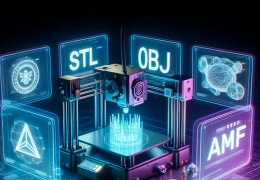 Формати файлів для 3D друку: повне керівництво