Ваш кошик
Ви нічого не додали до кошика
Перейти до категорії:

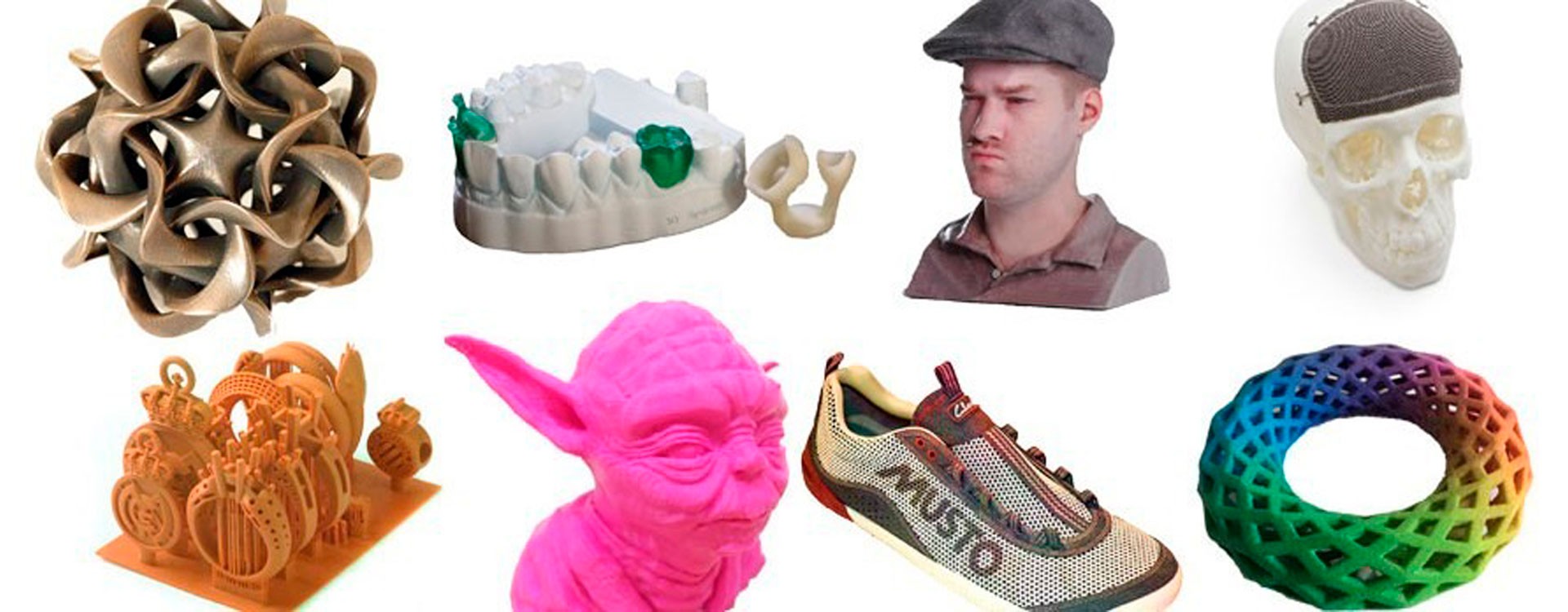
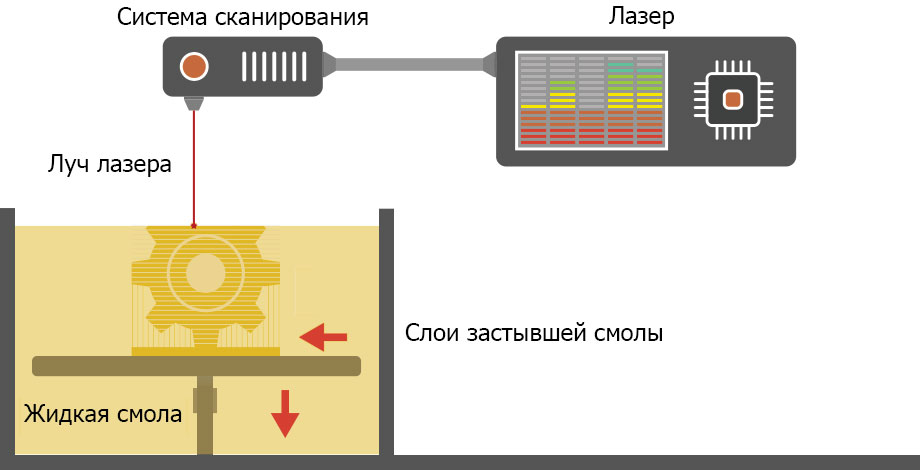
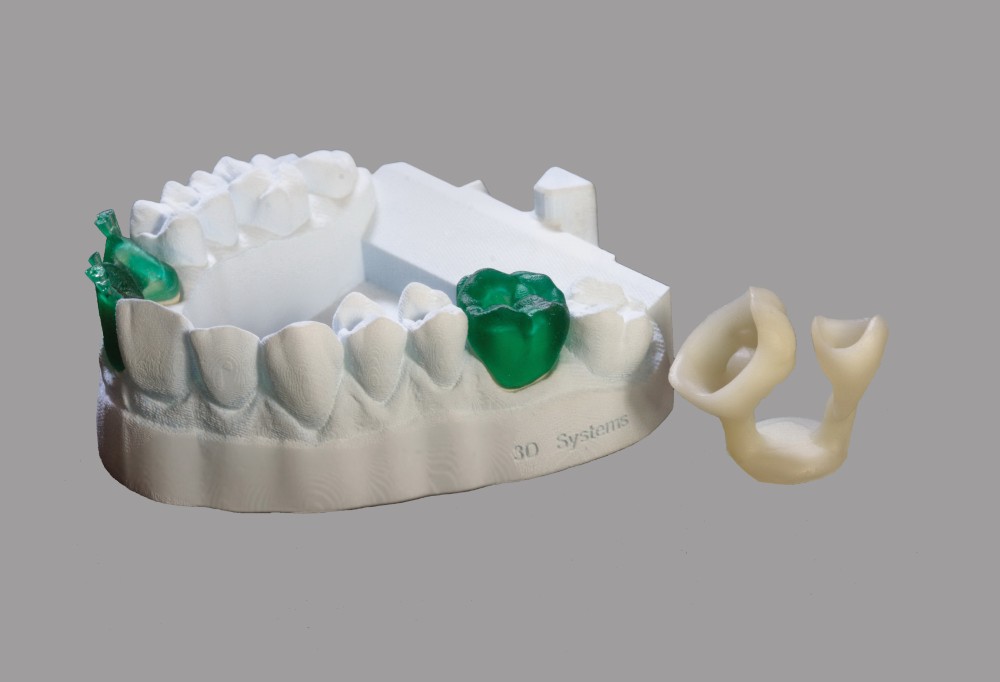
Стереолітографія (SLA) вважається першою технологією 3D друку, запущеною в серійне виробництво. У цій технології використовується лазер для затвердіння рідкої фотополімерної смоли, формуючи шари майбутньої моделі. SLA дозволяє створювати об'єкти з високою точністю та відмінною якістю поверхні.
Процес друку відбувається в місткості з рухомою платформою. Лазерний промінь направляється по осях X та Y, затверджуючи смолу відповідно до даних 3D моделі. Після завершення кожного шару платформа опускається, і процес повторюється.
Переваги SLA включають високу точність і гладкість поверхні. Однак технологія вимагає постобробки, включаючи видалення підтримок і додаткове затвердіння для забезпечення стабільності матеріалу.
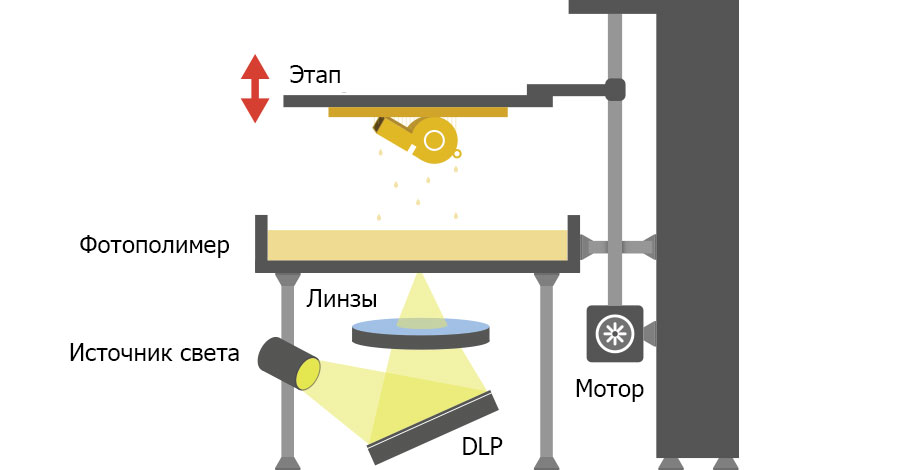
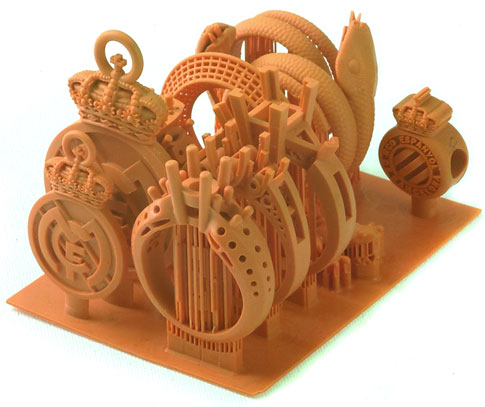
Технологія DLP схожа з SLA, але використовує інше джерело світла — зазвичай дугову лампу з рідкокристалічною панеллю або цифровий мікродзеркальний пристрій (DMD). DLP дозволяє засвічувати весь шар одразу, що робить процес друку швидшим, ніж SLA.
Переваги DLP включають високу швидкість друку та можливість знизити кількість відходів. Як і SLA, DLP вимагає постобробки та видалення підтримок.
Замовити 3D-друк за технологією DLP
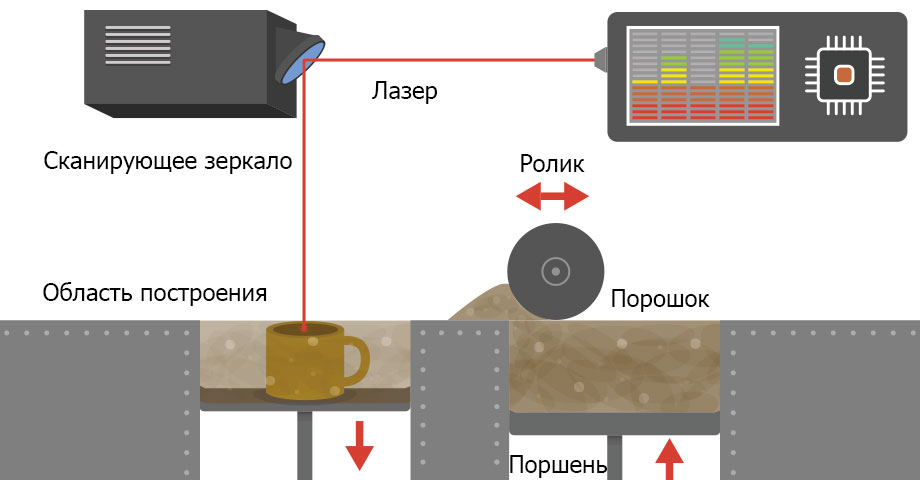
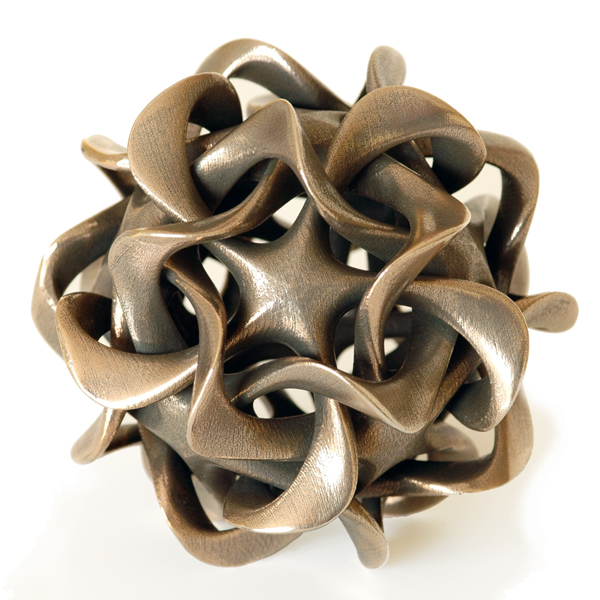
SLS використовує лазер для спікання порошкових матеріалів. Лазерний промінь проходить по шару порошку, спікаючи частинки відповідно до 3D моделі. Після кожного шару платформа опускається, і наноситься новий шар порошку.
Переваги SLS включають можливість створювати складні геометричні форми без підтримок, оскільки невикористаний порошок служить опорою. SLS підходить для роботи з різними матеріалами, включаючи пластики та метали.
Однак SLS вимагає тривалого часу охолодження і може призводити до пористості готових виробів.
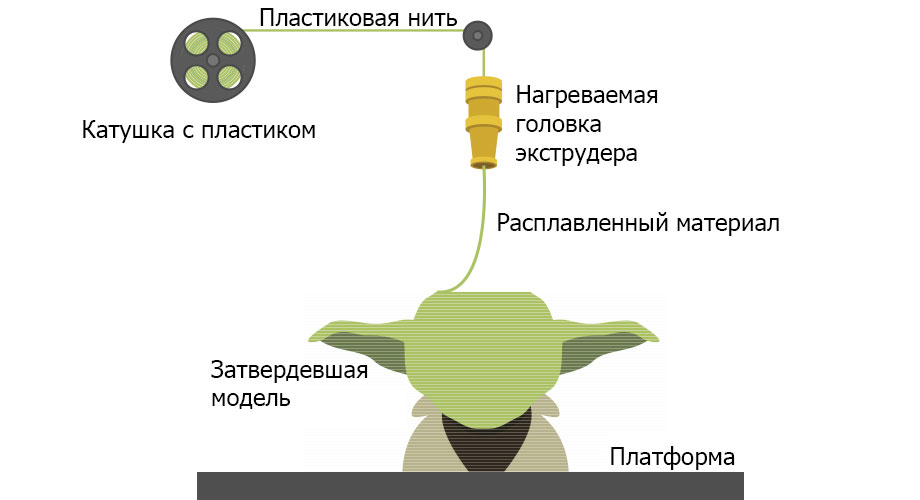
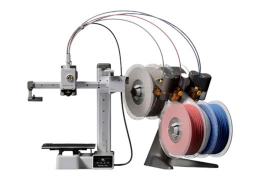
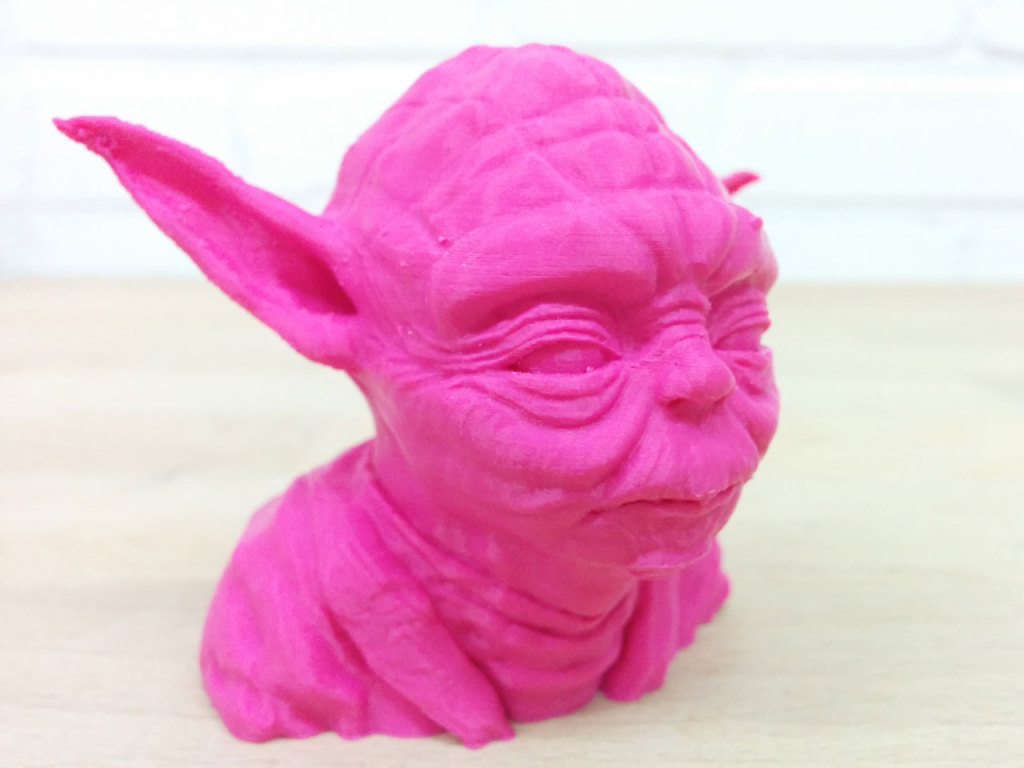
FDM (також відома як FFF - Fused Filament Fabrication) є найбільш поширеною технологією 3D друку. У цій технології пластикова нитка розплавляється в нагрітому екструдері й пошарово наноситься на платформу друку.
FDM/FFF широко використовується в настільних 3D принтерах через свою простоту та доступність. Технологія дозволяє працювати з різними термопластиками, включаючи ABS і PLA.
Переваги FDM включають низьку вартість обладнання та матеріалів, а також простоту використання. Однак якість поверхні може бути нижчою, ніж в інших технологій, і може знадобитися постобробка.
Замовити 3D-друк за технологією FDM
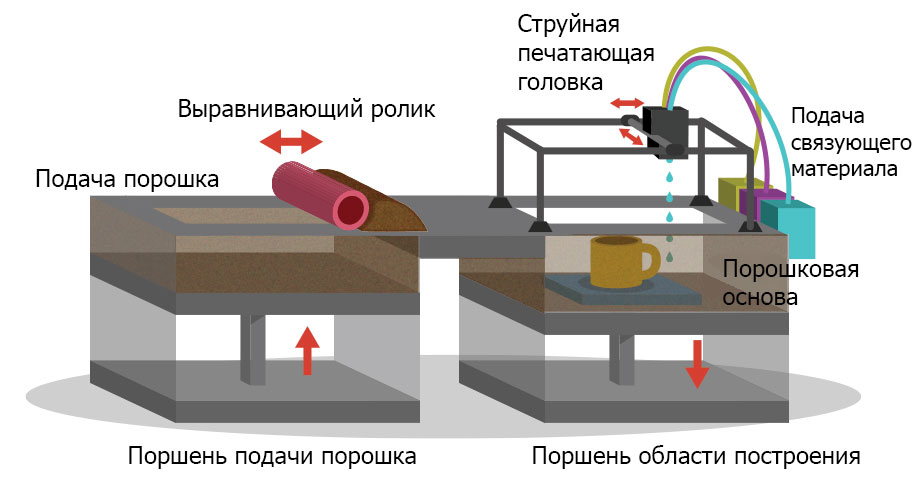
У цій технології рідка зв'язувальна речовина наноситься на тонкі шари порошкового матеріалу. Після кожного шару платформа опускається, і наноситься новий шар порошку.
Переваги включають можливість друку повноколірних моделей та роботу з різними матеріалами. Однак міцність моделей може бути нижчою, ніж в інших технологій.
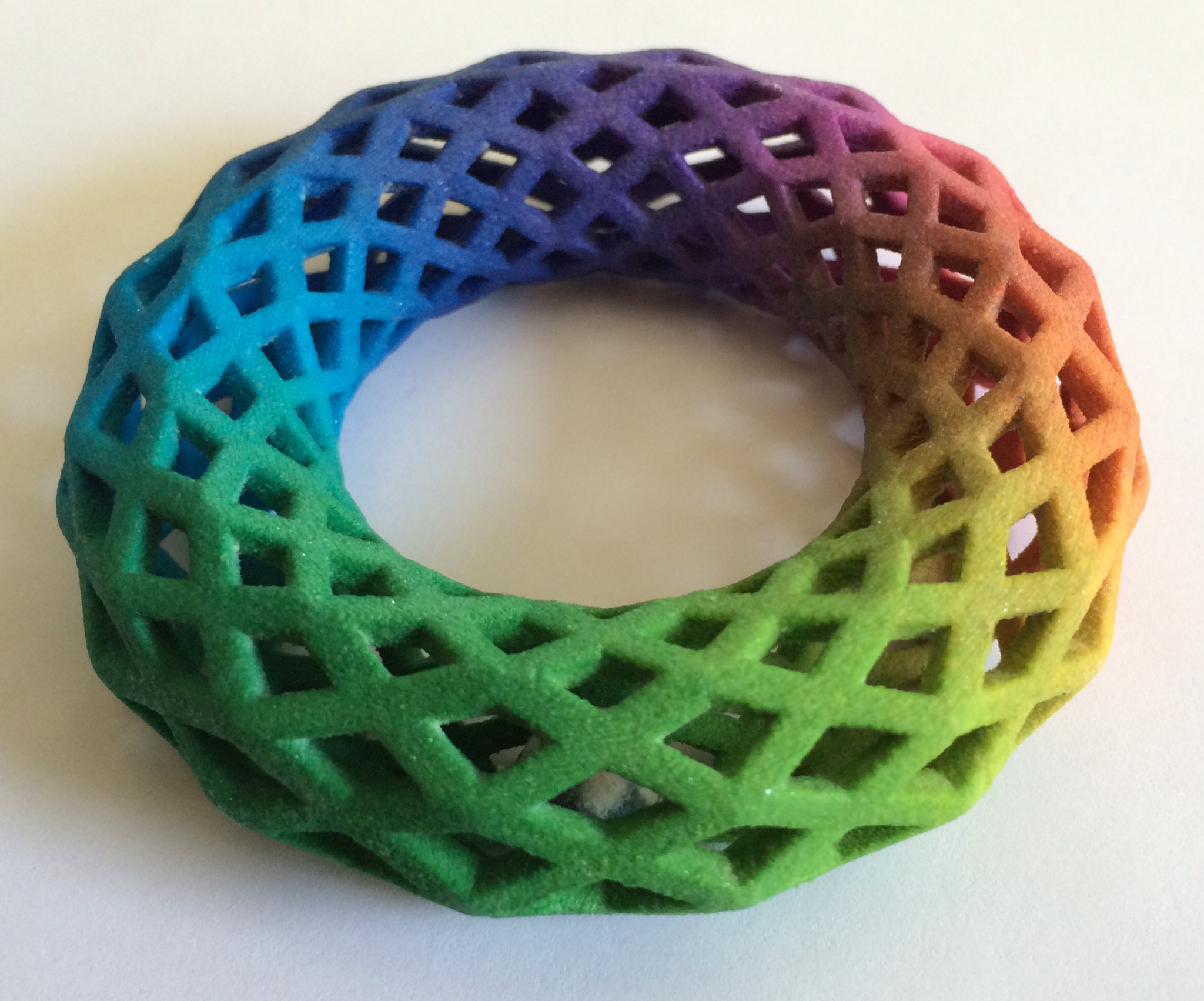
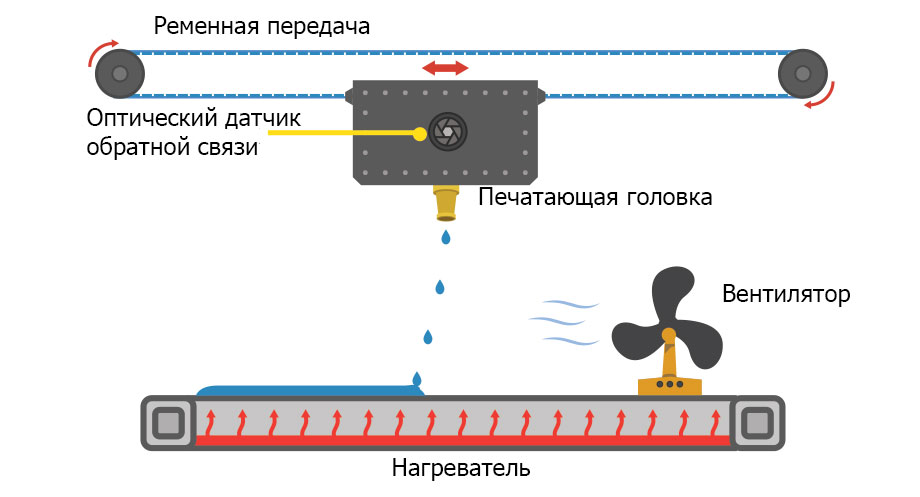
У цій технології рідкі матеріали (зазвичай фотополімери) наносяться через кілька друкувальних головок і затвердівають під впливом УФ-випромінювання.
Переваги включають можливість друку з кількох матеріалів одночасно та високу точність. Однак технологія обмежена у виборі матеріалів і може бути дорогою.
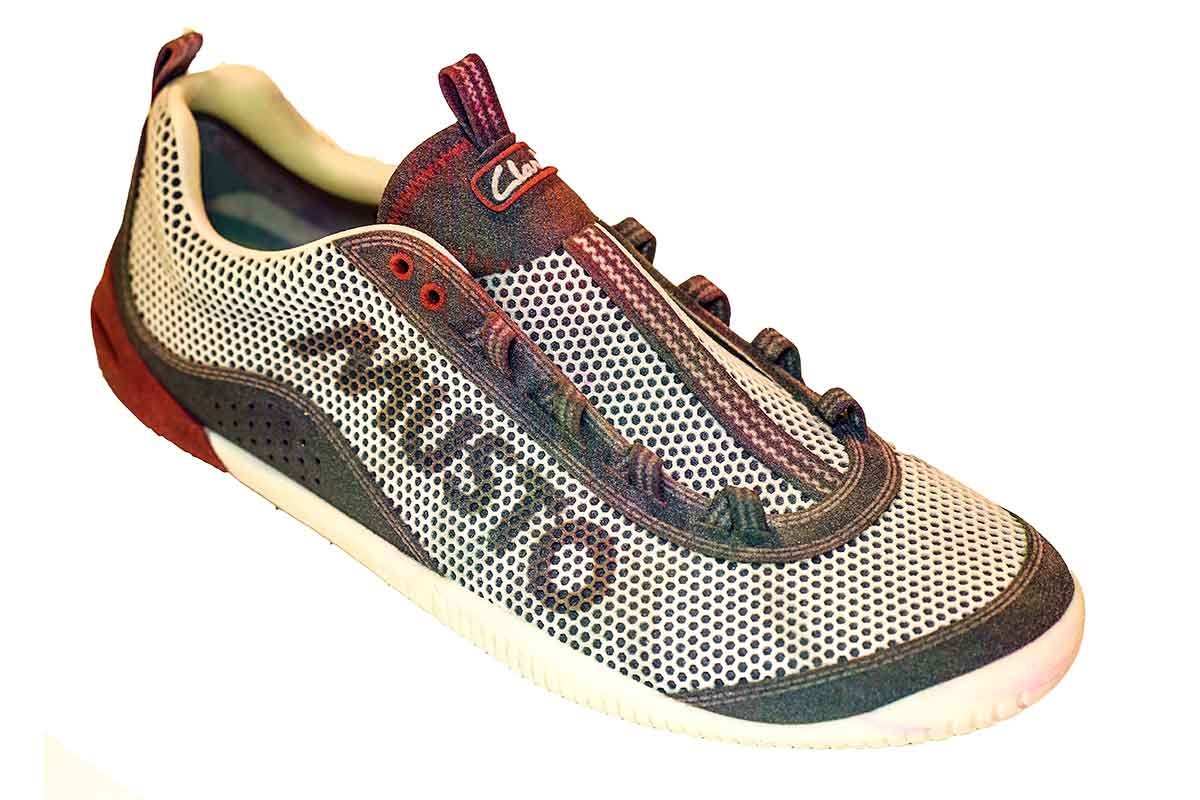
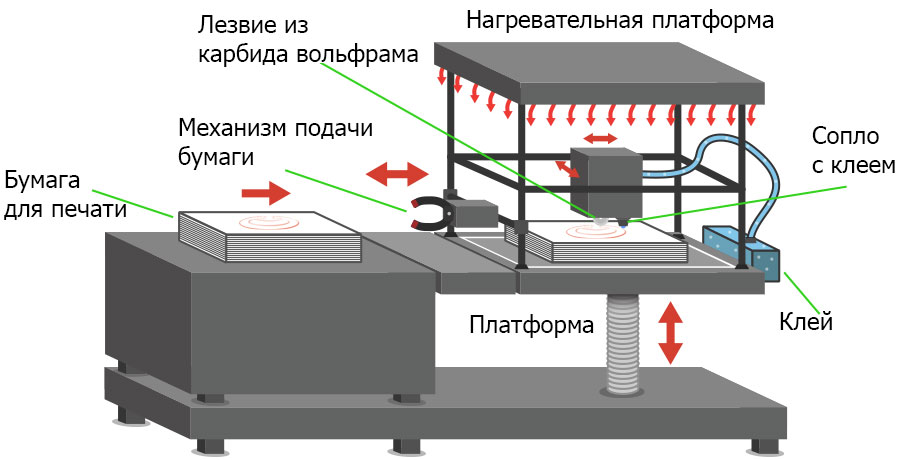
SDL використовує звичайний папір для створення 3D моделей. Листи паперу склеюються разом, а потім вирізаються по контуру моделі.
Переваги включають низьку вартість матеріалів і можливість повноколірного друку. Однак технологія обмежена у створенні складних геометричних форм.
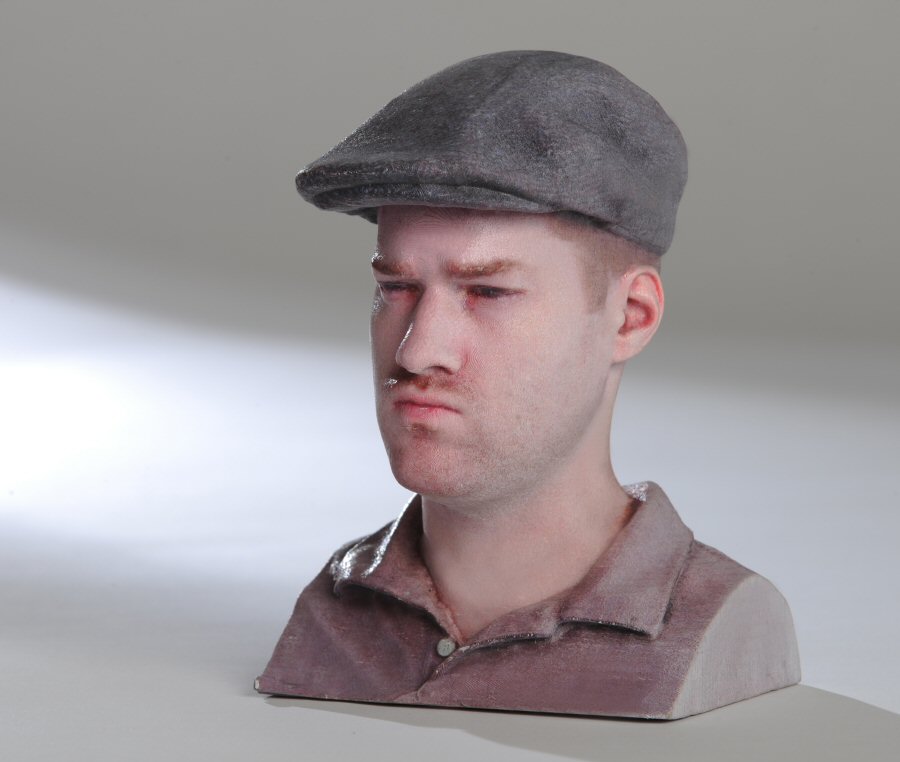
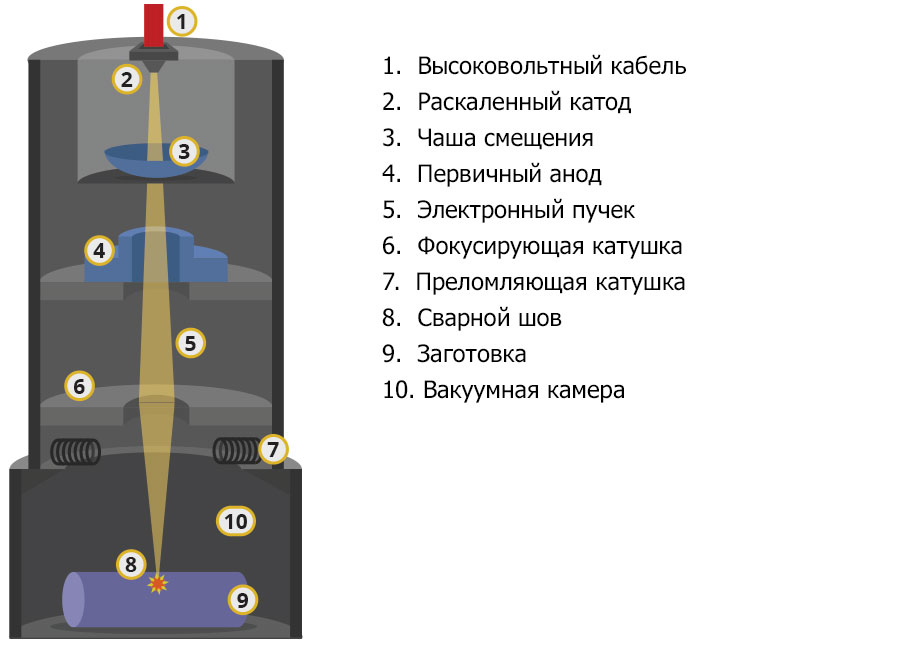
EBM використовує електронний промінь для плавлення металевого порошку. Процес відбувається у вакуумі, що дозволяє працювати з реактивними металами.
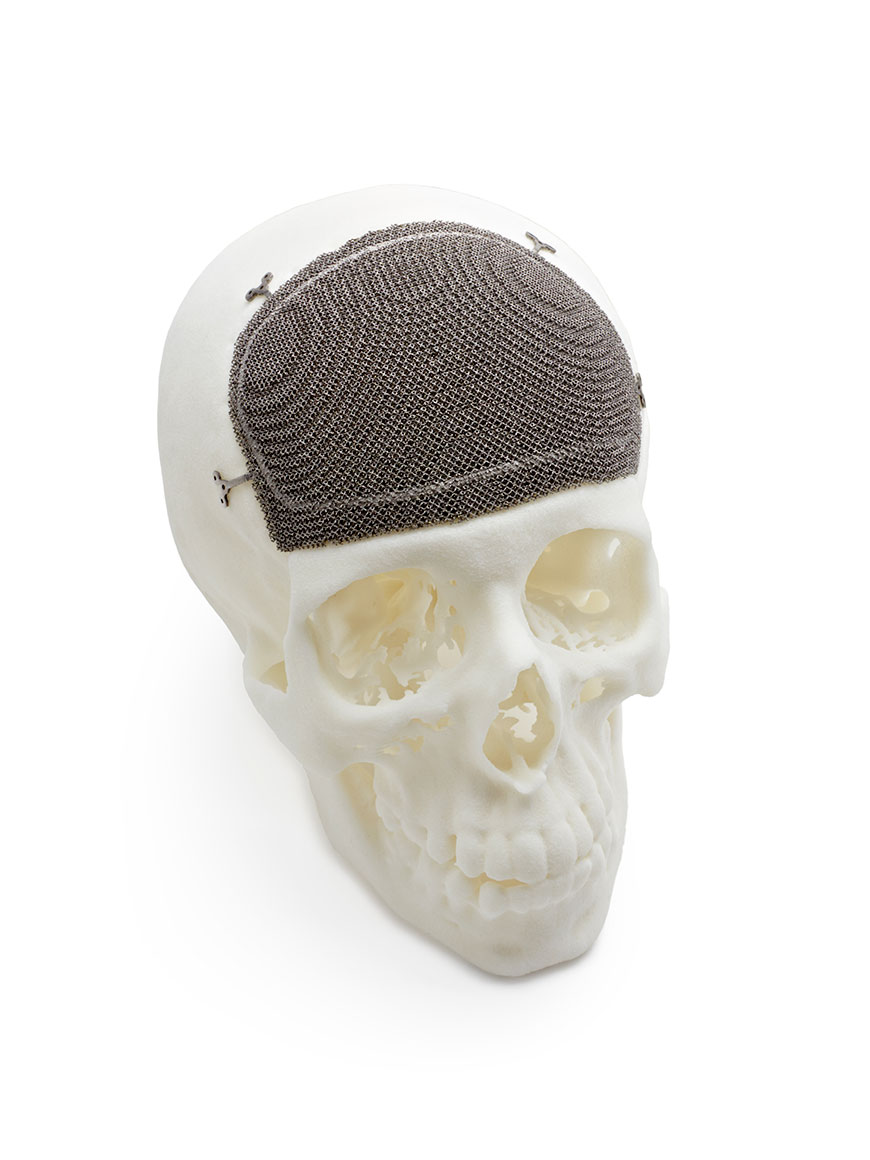
Переваги включають високу щільність і міцність готових виробів. Технологія широко застосовується в медичній та аерокосмічній промисловості.
Кожна технологія 3D друку має свої переваги та недоліки, і вибір конкретної технології залежить від вимог до кінцевого продукту, бюджету та інших факторів. Розуміння особливостей кожної технології допоможе вибрати оптимальний метод для вашого проєкту.
Наша компанія 3D4U пропонує послуги 3D друку з використанням різних технологій. Ми допоможемо вибрати оптимальний метод друку для вашого проєкту та забезпечимо високу якість готових виробів.
Продовження серії статей про 3D друк:
 Ліцензії 3D-моделей (Creative Commons та інші): Що можна і не можна друкувати/продавати?
 Скільки насправді коштує 3D-друк: аналіз усіх витрат
 SILK пластик для 3D-друку: створення ефектних моделей
 Creality K1 Max проти Bambu P1S: Битва швидкісних 3D-принтерів
 Формати файлів для 3D друку: повне керівництво